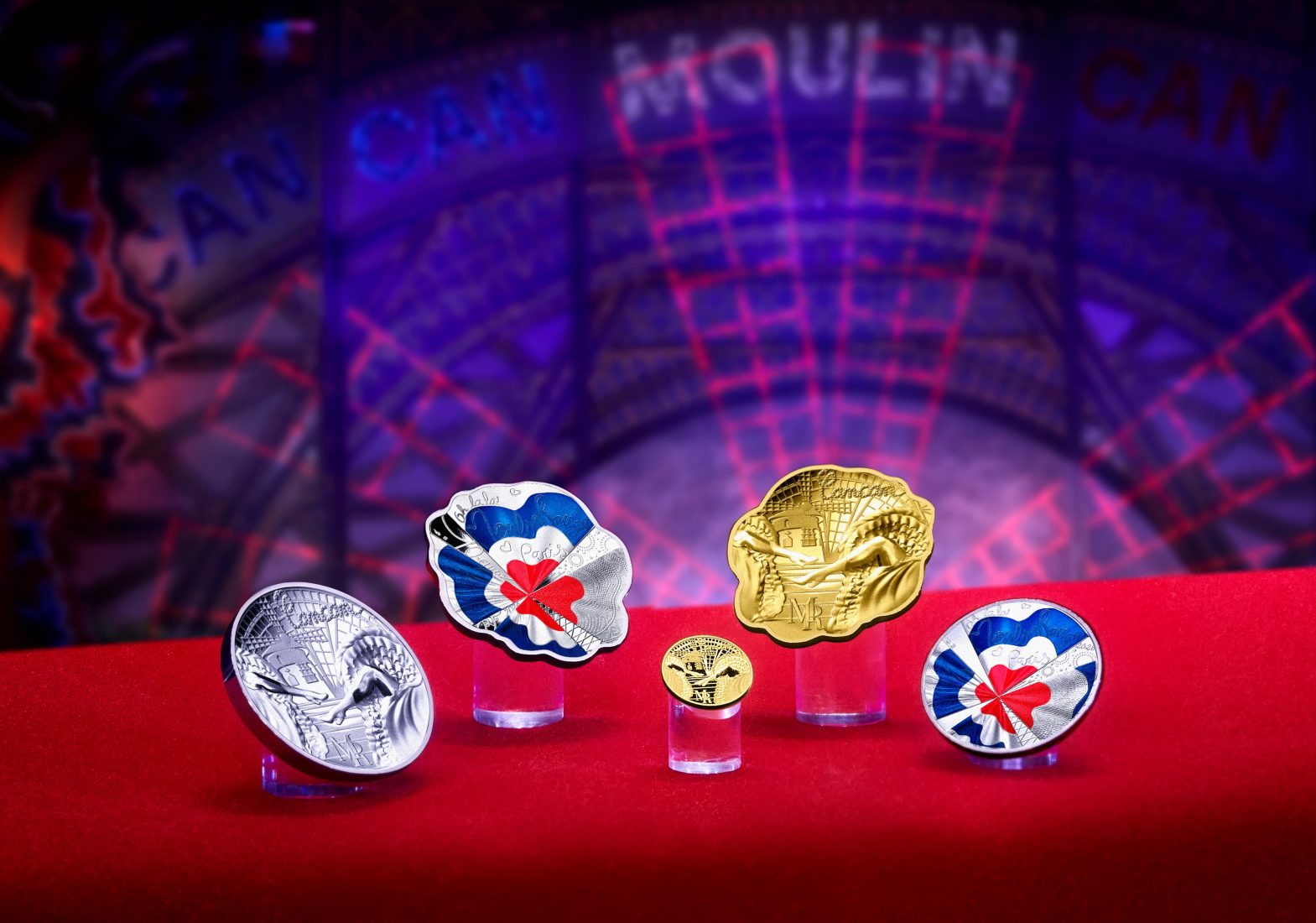


Step into the vibrant effervescence of the Belle Époque
Between innovation, boldness, and cultural vibrancy, the Belle Époque continues to captivate today. Paris, along with other major European cities, became a hub of inspiration for artists, inventors, and free spirits, where every street, every café, and every stage pulsed with creativity. In this electric atmosphere, audiences blended into performers, chance encounters turned into fleeting, unforgettable moments, and the city itself became a living playground for artistic expression and style. From fashion to visual arts, from dance to live performance, this era embodied a spirit of freedom and vitality that still resonates with generations today.
The Belle Époque, a celebration of boldness and creativity
The Belle Époque captures a spirit of creativity and joie de vivre that swept through Paris and across Europe between 1871 and 1914. It was a time when optimism and artistic energy intertwined with industrial progress and groundbreaking inventions that transformed everyday life. Electricity, the early days of cinema, and modern transport opened up new ways of experiencing and exploring the city.
It was also a true cultural golden age, when painting, music, theatre, and dance were constantly being reinvented on every street corner. Cabarets, cafés-concerts, and the first movie theatres became living stages where emerging artists and audiences shared moments that felt suspended in time, full of surprise and delight. Picture evenings in Paris, shaped by early film screenings, piano melodies, and live orchestras, where boldness and celebration blended into every moment.
The Belle Époque embodies this unique mix of innovation and pleasure, a desire to celebrate life fully before the First World War brought this vibrant era to an end. It remains a period that continues to echo through cinema, music, and the spirit of France’s great cities, inviting us to relive the beauty and energy of an extraordinary time.
The artistic effervescence of the Belle Époque
The Belle Époque was an era of unmatched creative energy, when Paris and other major European cities became true laboratories of artistic expression. Streets, cafés-concerts, and cabarets turned into living stages where art was not only displayed but experienced and shared.
Painting and the visual arts
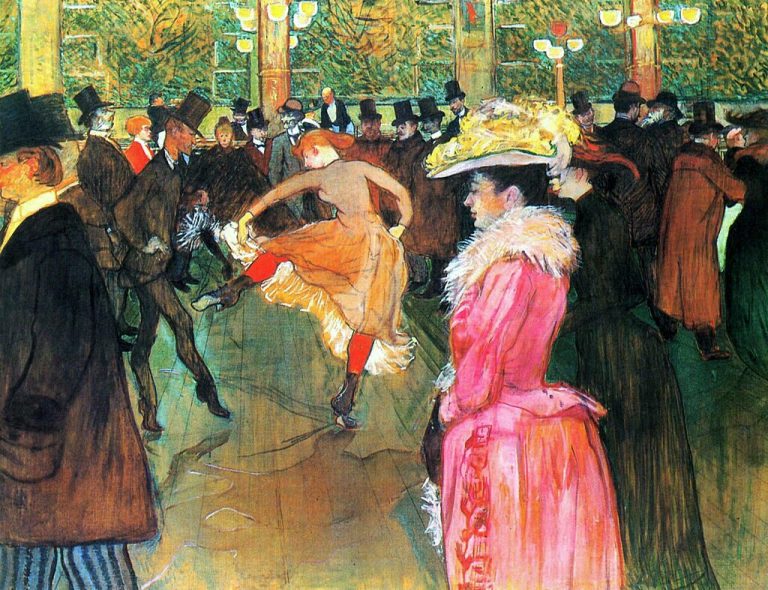
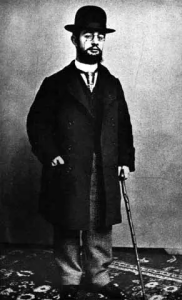
Painters were redefining the way the world was seen. Claude Monet captured light and movement with an almost magical delicacy, while Pierre-Auguste Renoir celebrated life and its joyful, fleeting moments. Edgar Degas explored the dynamics of the human body, especially dancers in motion, and Henri de Toulouse-Lautrec immortalized Parisian nightlife with a bold, graphic style, turning every cabaret into a living work of art.
Sculpture
Auguste Rodin broke with established conventions. With works such as The Thinker and The Gates of Hell, he brought movement and emotion into sculpture, giving it a deeply human and modern dimension, where every gesture tells a story.
Art Nouveau and design
Art Nouveau appeared everywhere, from building facades to interior spaces, defined by its elegant curves and nature-inspired motifs. Alphonse Mucha elevated poster art with his stylized, flowing depictions of the female form, while Hector Guimard turned the Paris Métro into a landmark of its own with its iconic entrances. During this period, art was not only something to look at, but something to experience, something that could be felt, lived, and that reshaped the city itself.
The Belle Époque was a whirlwind of modernity and beauty, where creativity and boldness infused every moment with a sense of wonder, and where Paris became a vibrant stage ready to welcome every passion.
The Belle Époque and the rise of cabaret
During the Belle Époque, cabaret became the beating heart of cultural and nightlife scenes, especially in Paris. Far more than simple entertainment, it embodied a free and festive way of life, where music, dance, and humor came together to captivate audiences eager for surprise and discovery.
Iconic venues of the Belle Époque
Venues such as the Moulin Rouge, the Chat Noir, and the Folies Bergère became essential landmarks of this vibrant era. On their stages, choreographed revues, satirical songs, and comedic acts blended with technical innovations, delivering dazzling, bold, and ever-surprising performances.
Artists and personalities
Certain figures left a lasting mark on cabaret history and embodied its spirit.
– La Goulue and Jane Avril, both cancan dancers, came to symbolize the freedom and exuberance of the Parisian stage.
– Yvette Guilbert, a singer with a distinctive style, was instantly recognizable by her long black gloves and her sharp, understated wit.
– Mistinguett, a true music hall star, combined charm, energy, and modernity, becoming one of the most iconic performers of her time.
– Loïe Fuller, an American dancer based in Paris, revolutionized the stage with her flowing silk costumes and innovative lighting effects, blending technical experimentation with artistic performance.
Cabaret during the Belle Époque reflected the creativity, freedom, and boldness of the city. Each evening became a living spectacle, where music, dance, and a one-of-a-kind atmosphere intertwined. This spirit, still deeply rooted in the world of the Moulin Rouge, lives on today in the Féerie revue, the Moulin Rouge’s show, where every note, costume, and choreography carries the energy of the Belle Époque into the heart of the modern cabaret.
Other news
Moulin Rouge® x Doudou & Compagnie: where the Féerie meets softness
Paris in July: what to do when summer brings the city to life?
Paris in August: the city never really slows down

What to do in Paris for a perfect girls’ night?
How to make the most of Paris’s Fête de la Musique ?